7 Trends & Forecasts for 2026: AI, Culture, Design, and the Future of Marketing
Dec 30, 2025

As we move into 2026, the conversation in marketing is shifting from trends to trajectories. Technology, culture, and consumer behavior are evolving simultaneously, reshaping how brands think, communicate, and operate.
At JETA, we asked members of our team to share the signals they see shaping the next year — from AI and brand systems to cultural shifts and generational change.
Here are seven trends and forecasts that may define marketing, branding, and media in 2026.
1. AI Becomes the Operational Layer of Marketing
Andrew, CEO
Artificial intelligence is quickly becoming the operational backbone of modern marketing. Today, more than 85% of marketers already use AI to optimize workflows, and this number continues to grow.
In 2026, AI will simplify and accelerate nearly every stage of the marketing process: research, analytics, content production, campaign testing, and optimization.
However, AI will not replace human creativity or strategic thinking. Instead, the relationship will evolve into a clear division of roles: AI handles execution, speed, and scale, while humans define meaning, direction, and strategy.
The brands that succeed will be those that treat AI not as a replacement for creativity, but as a multiplier of human thinking.
2. Asia Becomes the New Cultural Reference System
Polina, CSD
In recent decades, Western markets dominated global cultural narratives. But the balance is shifting.
In 2026, Asia will increasingly become a cultural reference system, influencing aesthetics, values, and brand thinking far beyond the region.
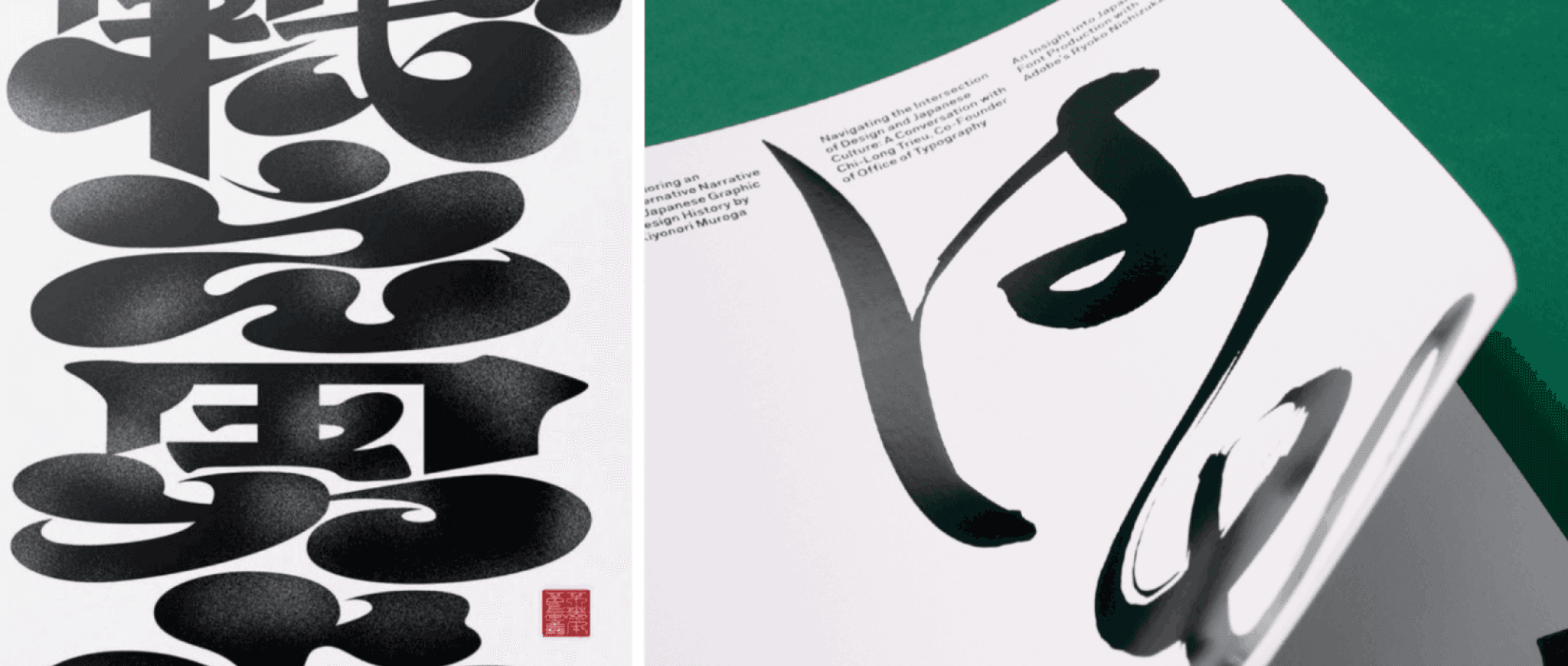
This shift is not simply about economic growth or market scale. It reflects deeper cultural values that resonate globally:
Craft over hype
Ritual over scale
Depth over noise
Brands are increasingly looking East not only to sell more products, but to build more meaningful identities and narratives. For global companies, understanding Asian cultural logic — from design minimalism to ceremonial storytelling — will become a strategic advantage.
3. Brands Become Intelligent Ecosystems
Tim, CCO, Strategy Lead, Partner
Traditional brandbooks are slowly becoming obsolete. Static PDFs and fixed guidelines are being replaced by living brand ecosystems — dynamic systems that evolve alongside products, campaigns, and digital environments.
In these systems:
Design tokens become the single source of truth
Brand assets are modular and reusable
Guidelines function as interactive platforms rather than documents
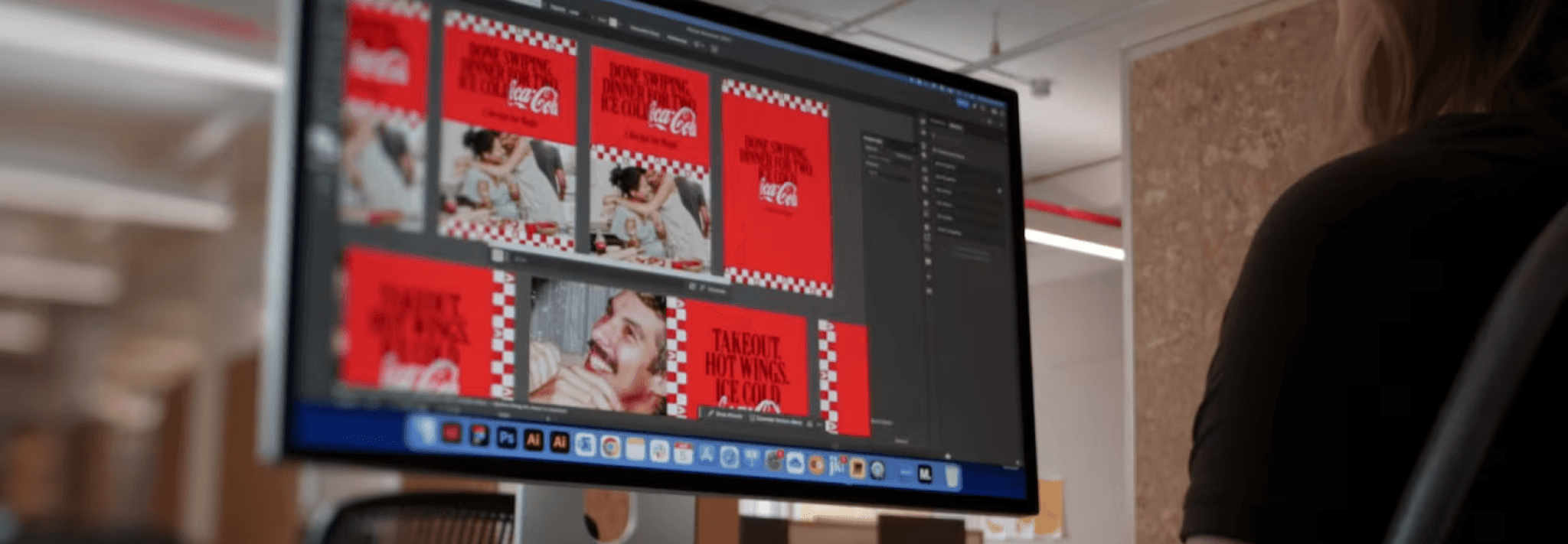
This shift turns brand management into something closer to software architecture. Instead of enforcing consistency manually, companies will rely on automated systems that synchronize brand decisions across products, teams, and tools.
4. Agencies Build Their Own Tools
Tim, CCO, Strategy Lead, Partner
The barrier to building internal tools has dropped dramatically. Platforms like Google AI Studio, alongside rapidly evolving APIs and development environments, allow teams to convert prompts into working code within hours.
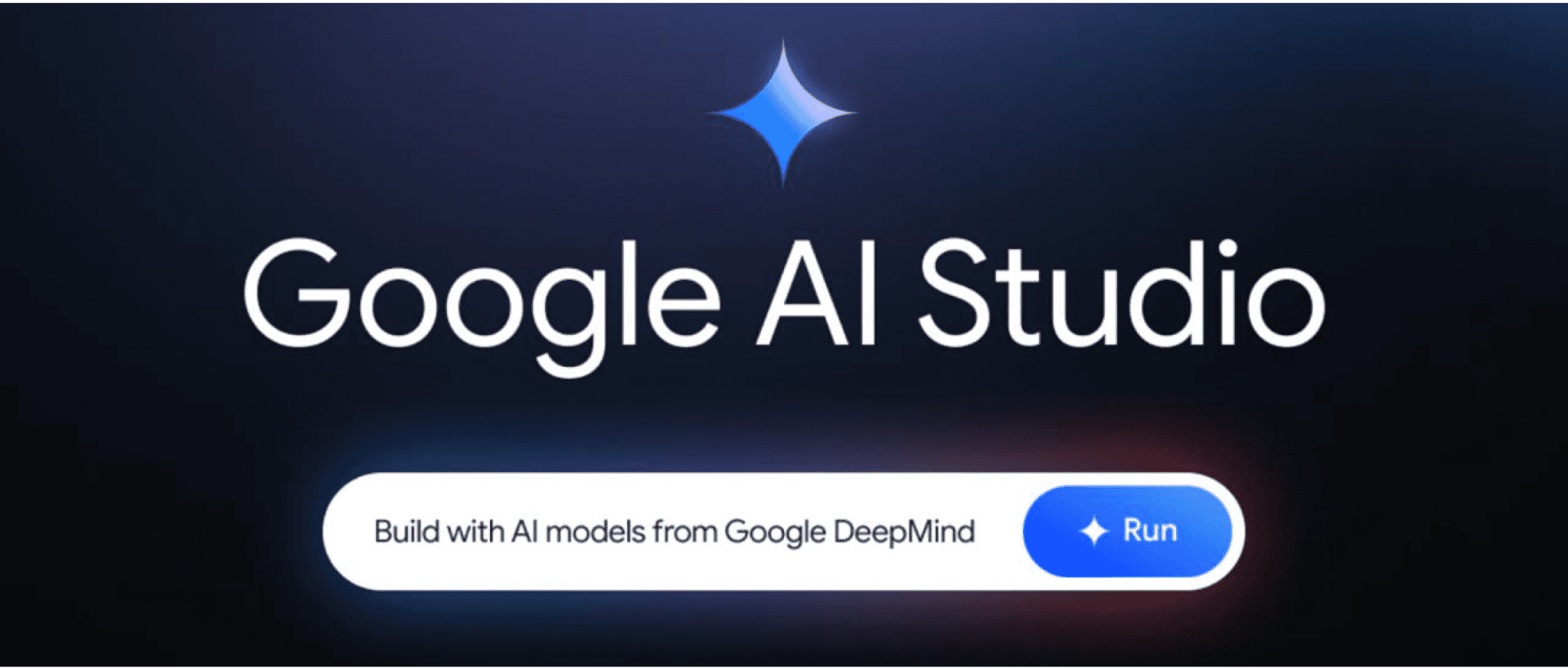
For agencies, this opens a new frontier. Instead of relying only on third-party platforms, creative teams can now build:
Custom analytics dashboards.
Workflow automation tools.
AI-powered content systems.
Internal strategy assistants.
This means agencies increasingly operate not just as creative partners, but as technology builders inside marketing organizations.
5. The Return of Real Brand Difference
Cyril, Art Director
Over the past decade, branding has moved toward extreme standardization. Minimalist logos, neutral color systems, and modular interfaces have created a landscape where many brands look almost identical. Eventually, this design bubble bursts.
In 2026, we expect a return to distinctiveness and visual personality. Brands will move away from sterile minimalism toward:
stronger visual identities
cultural references and heritage
expressive communication design
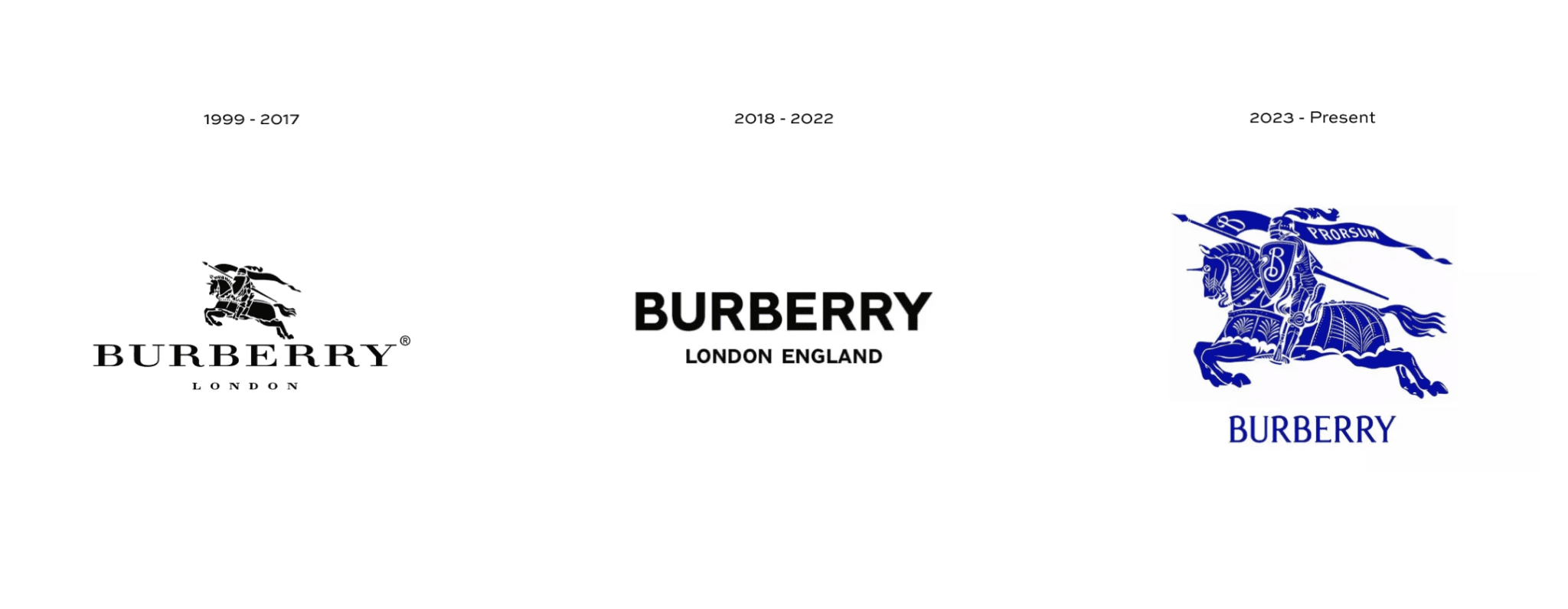
In other words, uniqueness becomes a competitive advantage again.
6. Luxury Turns Toward the 50+ Audience
Olga, Media Director
Luxury marketing spent the last decade chasing younger consumers. However, the economic reality tells a different story.
The most stable and consistent purchasing power still belongs to audiences aged 50 and above. As a result, luxury brands are gradually shifting their focus back toward this demographic.
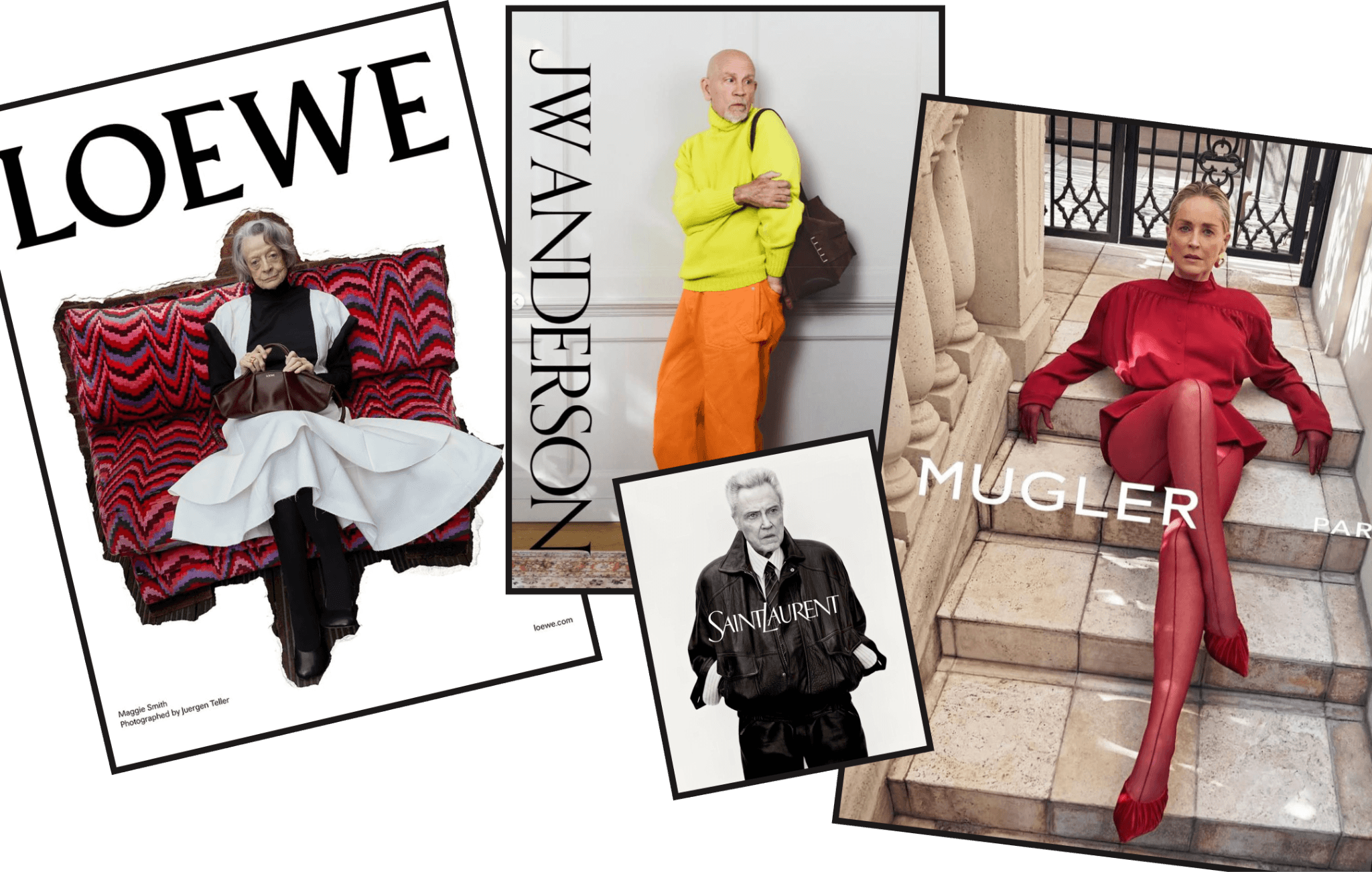
This does not mean abandoning younger audiences, but it does signal a strategic rebalancing.
Luxury will move away from hype-driven marketing and return to its core values: heritage, craftsmanship, longevity, and timeless design.
In this sense, the future of luxury may look surprisingly traditional.
7. Back to Classics: The Post-Digital Reaction
Artem, Communications Specialist
After years of hyper-digital culture, many younger audiences are beginning to feel fatigue from constant connectivity and automation.
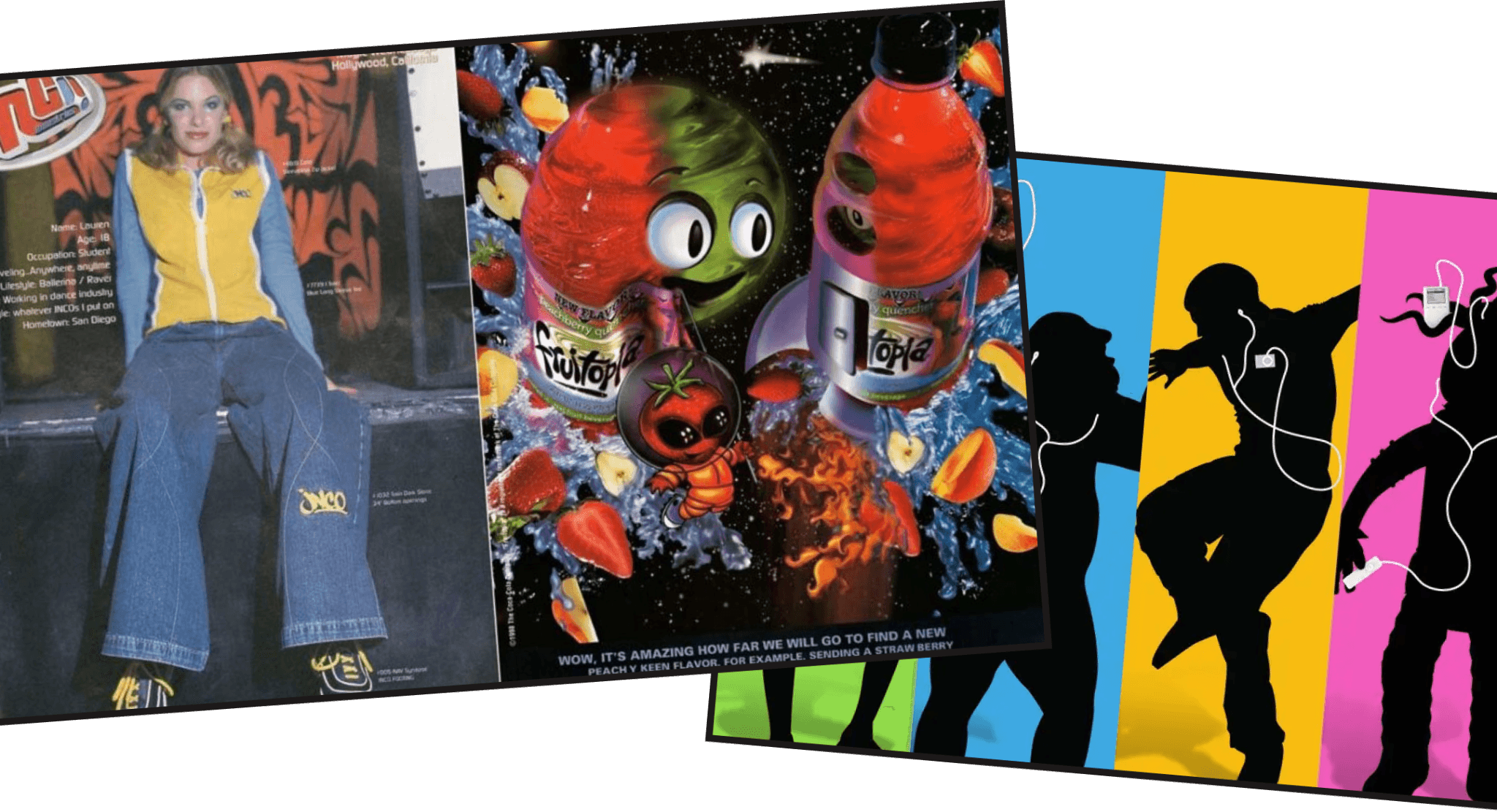
This creates a counter-movement. In 2026, we expect to see growing interest in physical objects, simple technology, early-2000s aesthetics, and more offline cultural experiences.
Technology itself will not disappear. Instead of being the main attraction, technology becomes invisible infrastructure, allowing people to focus again on tangible experiences and human connection.
Looking Ahead
The coming year will not be defined by a single technological breakthrough or marketing tactic. Instead, it will be shaped by the intersection of technology, culture, and human behavior.
AI will accelerate execution. Brand systems will become more intelligent. Design will rediscover uniqueness. And audiences will search for deeper meaning beyond digital noise.
For brands and marketers, the key challenge is not simply adopting new tools, but understanding how these shifts interact with each other.
Because the real story of 2026 is not about technology alone. It is about how technology reshapes culture — and how culture reshapes brands.
More articles you may like:

Robots.txt? No, LLM.txt, Please: How to Boost Your AI SEO
7 Trends & Forecasts for 2026: AI, Culture, Design, and the Future of Marketing

Can AI Lead Creativity? JETA's CCO on Speed without Drift

The Imperative of Reintroducing Human Chaos into AI Creations
5 Unmissable Trends from Cannes Lions 2024: Shaping the Future of Advertising and Digital Marketing
6 Graphic Design Trends for 2025
From Viral Moment to Dubai Mall: How HSB by Hasbulla Became a Global Streetwear Success Story
2X Social Media Growth During 20% Market Drop: Electric Pawn Shop Case Study
McDonald’s Taps Into Anime Craze with the WcDonald’s Campaign: A Creative Review by JETA
The Dawn of Web3: Navigating the Future of the Internet
Charli XCX’s ‘brat’ Album Campaign: A Masterclass in Modern Music Marketing
Full-On Digital: The Evolution of Marketing and Advertising in the Modern Era